
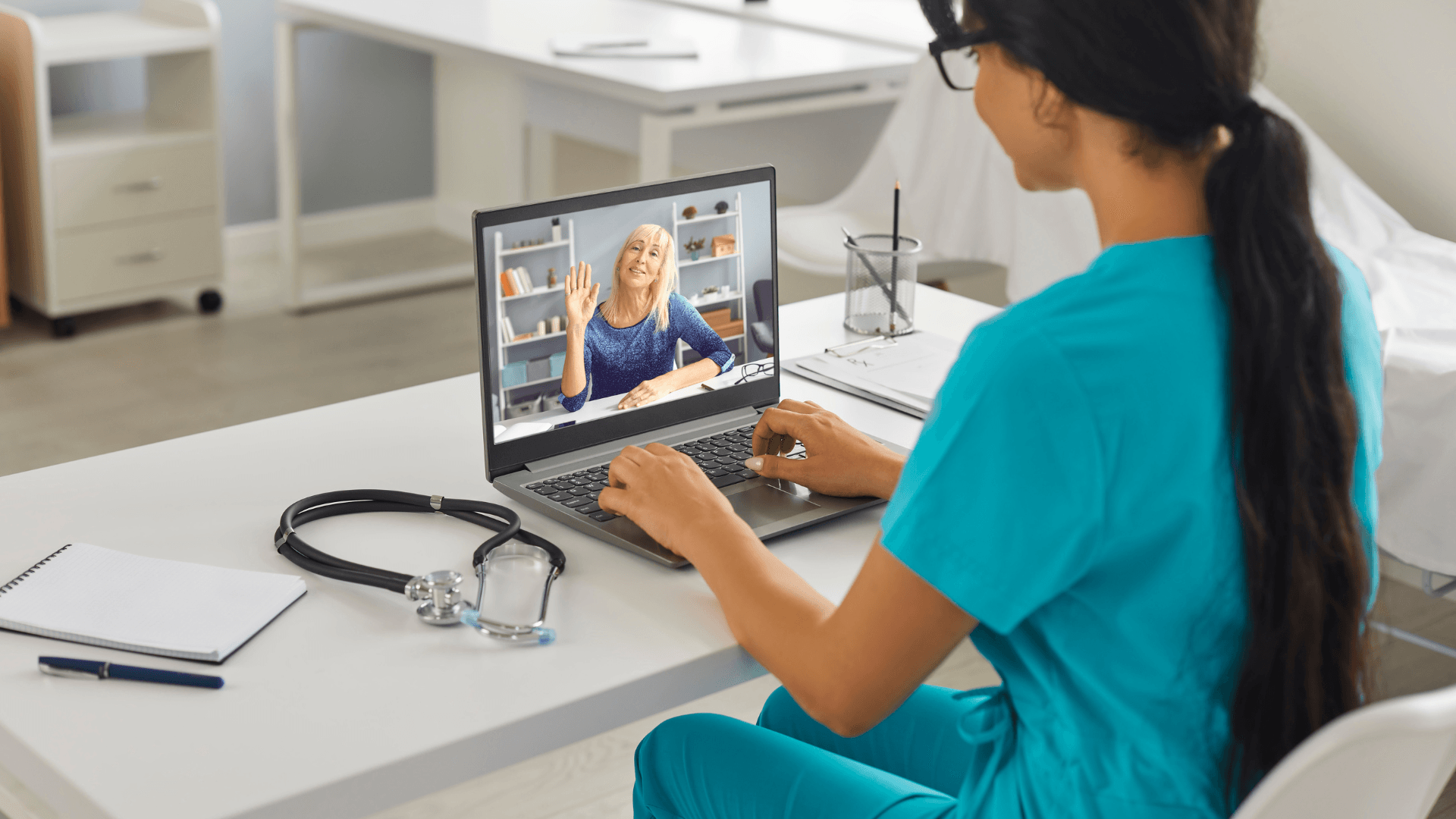
When Telehealth Is Better Than the Emergency Room: 12 Signs to Know
Going to the emergency room can be stressful, expensive, and time-consuming. While serious emergencies like chest pain, trouble breathing, or major injuries need immediate in-person care, many common health issues do not require an ER visit.
In many cases, telehealth urgent care is a faster, safer, and more affordable option. Below are 12 signs that a virtual doctor visit may be the better choice.
1. Minor Cuts or Mild Burns
Small cuts and mild burns often look worse than they are. If the bleeding is controlled and the burn is minor, telehealth can help.
During a virtual visit, a provider can:
Look at the injury by video or photo
Tell you how to clean the wound properly
Recommend bandages, ointments, or creams
Let you know if stitches or in-person care are needed
Telehealth helps you avoid long ER waits for injuries that can be safely treated at home.
2. Mild Allergic Reactions
Rashes, itching, hives, or mild swelling from allergies can often be treated through telehealth.
A provider can:
Determine if your reaction is mild or serious
Recommend antihistamines or topical creams
Help you identify triggers
Tell you when emergency care is necessary
If there is no trouble breathing or swelling of the lips or tongue, a virtual visit is often enough.
3. Cold or Flu Symptoms
Cough, sore throat, fever, congestion, and fatigue are very common reasons people seek care.
Through telehealth, a provider can:
Review your symptoms
Recommend over-the-counter medications
Prescribe antivirals or antibiotics when appropriate
Help you recover without exposing others
Telehealth keeps you home, resting, and out of crowded waiting rooms.
4. Urinary Tract Infections (UTIs)
Many uncomplicated UTIs can be diagnosed and treated virtually.
Telehealth providers can:
Review symptoms like burning, urgency, or frequent urination
Prescribe antibiotics if appropriate
Send prescriptions directly to your pharmacy
This is often faster and more comfortable than visiting urgent care or the ER.
5. Sinus or Ear Infections
Sinus pressure, facial pain, earaches, or congestion are often manageable through telehealth.
A virtual provider can:
Determine if symptoms are viral or bacterial
Prescribe antibiotics if needed
Recommend nasal sprays, decongestants, or pain relief
Telehealth is especially helpful when symptoms are mild to moderate.
6. Pink Eye (Conjunctivitis)
Pink eye is uncomfortable and contagious—but often easy to diagnose virtually.
Through telehealth, providers can:
Look at your eye on video
Determine if it’s viral, bacterial, or allergy-related
Prescribe antibiotic eye drops if needed
Give guidance on preventing spread
This avoids exposing others in clinics or schools.
7. Sprains or Muscle Strains
Minor sprains or strains from exercise or daily activities can often be managed virtually.
Telehealth providers can:
Assess pain, swelling, and movement
Recommend rest, ice, compression, and elevation (RICE)
Suggest safe pain relief options
Tell you when imaging or in-person care is needed
This prevents unnecessary urgent care visits.
8. Vomiting or Diarrhea
Stomach bugs and food-related illnesses are often treated at home with guidance.
A virtual visit can help with:
Hydration and electrolyte recommendations
Diet guidance
Anti-nausea medications
Identifying warning signs of dehydration
Telehealth keeps you comfortable and avoids spreading illness.
9. Skin Conditions
Rashes, eczema, acne flare-ups, and minor skin infections are ideal for telehealth.
Providers can:
Review photos of the skin issue
Prescribe topical or oral medications
Adjust treatment plans
Prevent worsening symptoms
Early treatment can stop skin problems from becoming severe.
10. Follow-Up Care
After a hospital stay or procedure, telehealth is excellent for follow-ups.
Virtual visits allow providers to:
Check healing progress
Review symptoms
Answer questions
Adjust care plans
This is especially helpful for seniors or patients with limited mobility.
11. Newborn and Infant Concerns
Telehealth is a valuable resource for new parents.
Common newborn concerns that can be addressed virtually include:
Feeding questions
Sleep issues
Diaper rash or baby acne
Mild fevers or fussiness
Telehealth keeps infants away from germs while giving parents peace of mind.
12. Medication Refills
Many routine prescription refills can be handled through telehealth.
Providers can:
Review your medication history
Assess side effects
Renew prescriptions
Send them directly to your pharmacy
This is ideal for chronic conditions like asthma, high blood pressure, or allergies.
When You Should Go to the Emergency Room
Telehealth is not for emergencies. Go to the ER immediately if you have:
Chest pain
Trouble breathing
Severe bleeding
Stroke symptoms
Loss of consciousness
Conclusion
Knowing when to choose telehealth urgent care instead of the emergency room can save time, money, and stress. Virtual visits are a safe, effective option for many common health concerns.
When in doubt, a licensed medical provider can help you decide the best next step—often from the comfort of your home.